
Digital Cocaine
Navigating the Challenges of Tech Addiction and its Impact on Boys' Development
Treign Up · October 31, 2023 · 5 min read

Originally sent to the Treign Up Tactics newsletter on October 31, 2023. References to “this newsletter” or “this podcast” mean that original edition.
Come join us for a fall festival in Ashland, VA to learn more about our new Treign Up Academy launching in fall of 2024! Click this link to sign up and learn more!
Addicted
Americans check their phones on average 96 times per day, or once every ten minutes. There are roughly 6.92 billion smartphone users across the world. That's 86.29% of the global population, as of 2023. 59.16% of website traffic comes from mobile devices, as of 2022.
That information came from a random Google search about cell phone users in the world. The first source I noticed was Zippia.com. The information was posted on April 3, 2023.
This is a BIG problem. Just think of how technology has evolved over the years since 1973.
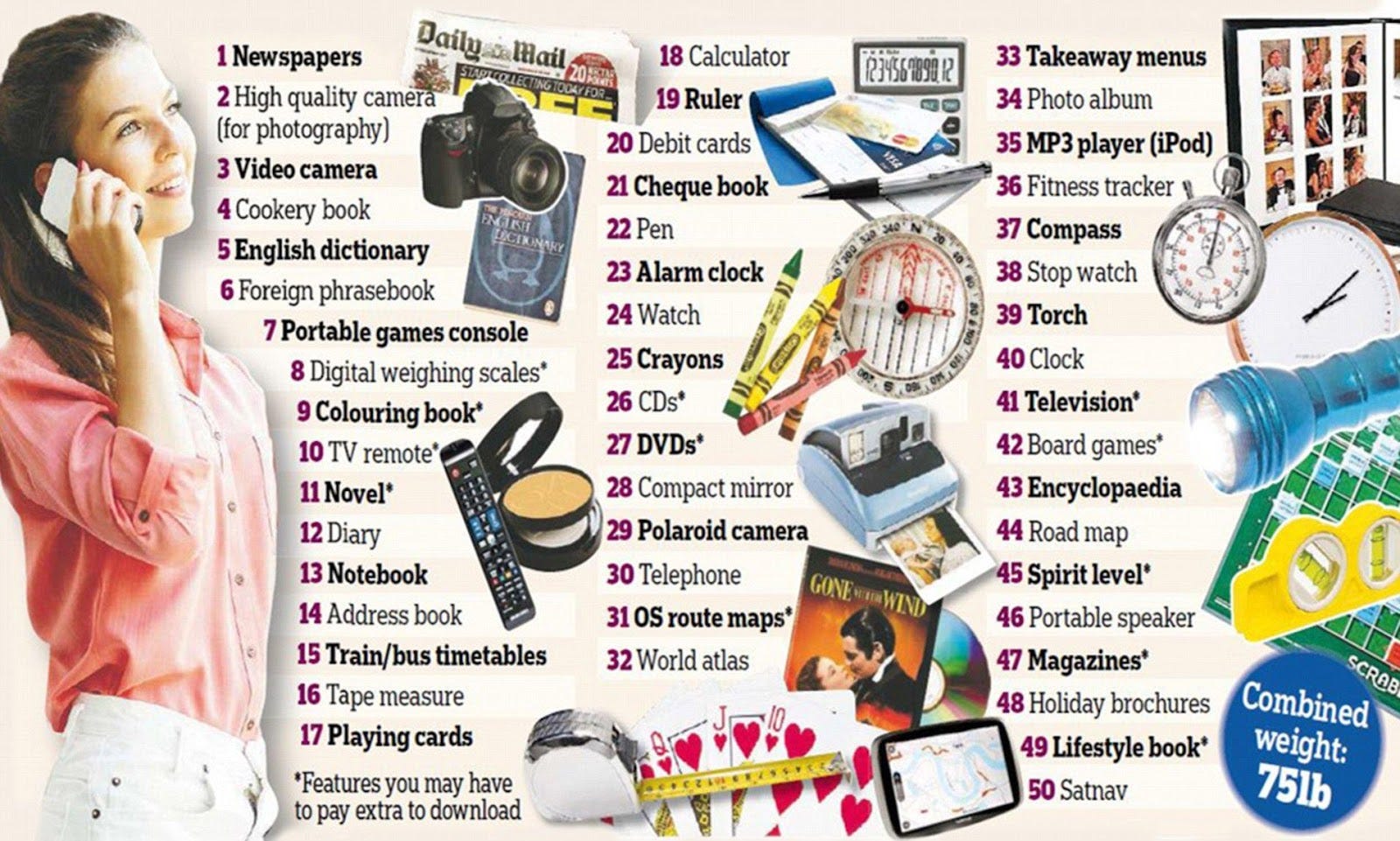
These 50 items are all on an instrument that fits in our pocket now. We are living in astounding times. But these times were foreseen in the Bible too. Daniel 12:4, a piece of prophetic literature dealing with end time sequences and events, says, “But you, Daniel, roll up and seal the words of the scroll until the time of the end. Many will go here and there to increase knowledge.”
As I traveled the world with my ministry, I noticed that even in the poorest of third world countries, everyone seemed to have a cell phone and a television. They didn’t have basic necessities, but they had technology. It has become the ‘bread of life’.
On one of those many trips to the Philippines, I was speaking at a children’s pastors conference and stumbled upon a class being taught there called “Digital Cocaine”. The speaker was an American who had authored a book by the same name. His name is Brad Huddleston. He is widely regarded as an expert on the subject of digital addiction and works extensively to alert leaders in a variety of organizations, to include religious groups, about the inherent neurological dangers involved with screen addiction. Besides Digital Cocaine: A Journey Toward iBalance, he has also written Restoring Balance in the Digital Age. You should be aware of his website and his many resources available to leaders, parents, and students. www.bradhuddleston.com
His teaching that day opened up my eyes to the nature of a new drug that is accessible, free, and widely accepted as normal behavior: The smart phone. His thesis is that this type of addiction does the same damage to the brain as cocaine addiction over the same period of time. An ‘addiction’ is defined by six common components: salience, mood modification, tolerance, withdrawal, conflict, and relapse. In 2020 the World Health Organization formerly recognized addiction to digital technology. Consider this was in the midst of the COVID-19 Pandemic, where it became a much greater influence in culture as people ‘replaced’ their social connections with digital connections. They moved on to digital worlds.
The platforms for digital dependency are varied:
Gaming
Social Media
On-line gambling
Pornography
On-line shopping
Of this list, gaming and porn are the two primary problems with boys. Actually, the average age of video gamers is 35 -years old according to Huddleston. That’s a sad commentary on young men.
Symptoms
Symptoms are behaviors normally associated with addiction cycles:
Preoccupation/distraction
Cravings
Compulsive behavior
Neglecting self-care
Losing interest in social and leisure activities (withdrawal)
Using devices while driving/overuse
Lying/hiding
Mood disorders.
Sleep deprivation is also a common side effect of this sickness. It is widely recognized that teenagers don’t get the required amount of sleep they need for normal development. Of course, all of this can lead to depression, anxiety and even suicide.
Huddleston is very clear that the effects of digital addiction on the brain and the body can be reversed. But like all addictions, it requires the individual to take responsibility for this destructive behavior. Parents need to be aware of the dangers this overuse can do to the brain and how it inhibits development in every area of a child’s life. This generation is being ‘thrilled to death’, also the name of a good book on the subject of pleasure’s impact on the brain written by Archibald Hart.
Solomon also warned about a life that existed to pursue pleasure as its goal in Ecclesiastes 2:1:
I said to myself, “Come now, I will test you with pleasure to find out what is good.” But that also proved to be meaningless.
In his letter to the church at Corinth, Paul chastised the new believers there for their lack of growth. He called them away from spiritual milk to spiritual meat. In 1 Corinthians 13:11, he says:
"When I was a child, I spoke as a child, I understood as a child. When I became a man I threw away childish things"
One of the many reasons that our boys are not progressing into manhood is due to this senseless addiction. They are withdrawing into their rooms (in the basement of parent’s homes) or camped out on the couch hiding behind their cell phones. And what are they doing? Video gaming; Pornography; On-line gambling. A constant barrage of entertainment that pulls them further and further away from the fight at their doorstep. It’s destructive. It’s passive. It’s contrary to God’s purpose and plan for their lives. Our children are not being disciplined or discipled by the church or by their parents. They are being transformed by the culture they live in through their devices. These are obvious and clear contributing factors to the ‘dam’ problem of lost boys. They are being widely circulated through reports and articles like this one in Philadelphia Magazine: “The Sorry Lives and Confusing Times of Today’s Young Men.”
Quick Fixes
In his book and his messaging, Huddleston recommends that parents do their own intervention. Here are a few of his ideas:
Get all technology out of the bedrooms.
Turn off all push notifications on smart phones.
Replace smart phones with flip phones.
Play board games as a family.
Replace all electronic babysitters.
There’s a bit of a reality check, isn’t it? How hard would it be for you, the parent, to do those things? But getting people out of drug addiction requires that you remove the drug. This is true, at least initially. The end game is not to rid yourself of all technology. It’s just to learn to use it in proper balance.
I can remember a day, not so long ago, when I went to children’s leadership conferences and watched leaders grapple with curriculum, volunteer recruiting and retention, help with building kid’s church programs, worship, creative teaching methods, etc. Over the last three years, the cry from those groups is resources for anxiety, depression, and suicide. COVID-19 exasperated the problem of digital addiction. Now it’s a leading contributor to the problem we face with boys losing their way on their journey to manhood. What is maybe even more worrisome is the intentionality to influence and persuade your son. Information warfare is raging all around us vying for the very heart and identity of your child. If we are not careful, this technology will end up consuming us. It’s a dam problem and needs our attention and action.
Train. Discipline. Encourage.